Healthier Lakes

March 25, 2025

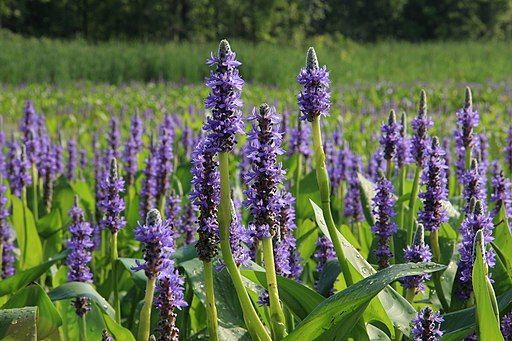
Native Grasses/Plants for Shoreline 

Newcomers, as well as long-time residents, might not be fully informed about the regulations that govern our lakeshore areas. Some residents may be removing vegetation from their shorelines, a practice that is often contrary to HOA guidelines and adversely impacts lake health. To help preserve these cherished lakes that bring joy to many, we aim to educate everyone on the importance of maintaining certain types of vegetation for the lake's wellbeing and to provide resources for managing shoreline matters.


**Native Grasses/Plants for Shoreline** 

Beneficial shoreline and submerged aquatic plants fulfill several essential roles: 

• Erosion control, as they rarely extend beyond their intended area, thriving only in water no deeper than 12 inches and not encroaching up the lake's banks 

• Providing habitat for fish and wildlife 

• Filtering debris and pollutants 

• Reducing excess nutrients from fertilizers that contribute to algae blooms 

• Enhancing water clarity 

• Offering shade to prevent increases in water temperature 

• Supplying cover and foliage for songbirds, fish, and frogs 

• Mitigating wave and wind energy 


There have been sightings of rats in some attics. Maintaining vegetation along the shore can help keep these animals in their natural environment instead of in your homes. Norway rats tend to stay closer to the shore, while roof rats do exactly what their name implies.


It is essential to ensure that landscapers refrain from applying weed control chemicals near the shore, especially during the wet months (June through August). They have been advised not to spray at the water line, but a gentle reminder may be helpful.


**Suggested Educational Resources for Shoreline Vegetation**   

Here are some recommended nurseries that offer native Florida plants:


Pinder’s Nursery 

5500 SW Martin Hwy 

Palm City, FL 34990 

(772) 781-8085 


Neptune Nursery, LLC 

5164 SW Citrus Blvd 

Palm City, FL 34990 

(772) 223-5287 

delarosa@neptunenursery.com 

February 2, 2026
The featured presenter at the January 22nd Rivers Coalition meeting was Army Corps of Engineers Jacksonville District Commander Col. Brandon Bowman. He reported: * The Lake Okeechobee management effort is going well. The lake level is currently a near-ideal 13.01 feet. In addition, following last summer’s Lake Recovery Operation, Submerged Aquatic Vegetation (“sea grass”) now covers 20,000 acres of the lake bottom compared with just 3000 acres beforehand. * All stakeholders but one are having their needs met at the present time: The Caloosahatchee River west of the lake isn’t receiving nearly as much fresh water as it needs. * The biggest threat to the St. Lucie Estuary right now isn’t discharges from Lake Okeechobee; it’s polluted runoff flowing into the headwaters of the North Fork. The Corps has several projects underway to address that issue. * The Everglades restoration effort continues moving forward, albeit at a seemingly-glacial pace. To wit: Col. Bowman was happy to announce that the Everglades Agricultural Area projects would be completed five years ahead of schedule – but that still won’t be until the end of 2029. * The big C-44 Reservoir, just north of the St. Lucie Canal in western Martin County, is a key part of the management plan. The reservoir will store runoff and remove phosphorus before discharging the water. Unfortunately, it hasn’t been able to operate at capacity; there’s a seepage issue at one end, and it can only be filled to ten feet compared with its designed fifteen-foot level. The Corps doesn’t think the reservoir will be able to be filled to capacity until 2032. * Finally, Coalition members expressed a great deal of alarm about the Corps’ Engineering Research and Development Center’s plan to develop treatments to remove peroxide and phosphorus from the water. The concern stems from the ERDC’s need to test those treatments, and they have to do the testing in the St. Lucie Canal. There was widespread fear that this could produce harmful results in our canal and our estuary. On the legislative front, Gil Smart, the Friends of the Everglades monitor of the goings-on in Tallahassee, shook his head: “If last year’s legislative session’s theme was facilitating sprawl, this year’s is sprawl on steroids.” A disturbingly large number of bills have been filed that will allow more and more development projects to be subject only to administrative approval rather than, as now, being required to go through a public review process. If these bills pass they will drastically reduce public input on some very big and impactful development proposals -- and completely eliminate it in some cases. As these and other really bad bills get rammed towards the finish line, you will undoubtably be receiving calls for action from your favorite environmental organization. Keep an eye on your inbox. -- Walter Deemer, LWVMC Rivers Coalition Representative
September 28, 2025
The body content of your post goes here. To edit this text, click on it and delete this default text and start typing your own or paste your own from a different source.
September 1, 2025